Cork Property Investment 2026: Why 7.2% Yields are Outperforming the Dublin Market

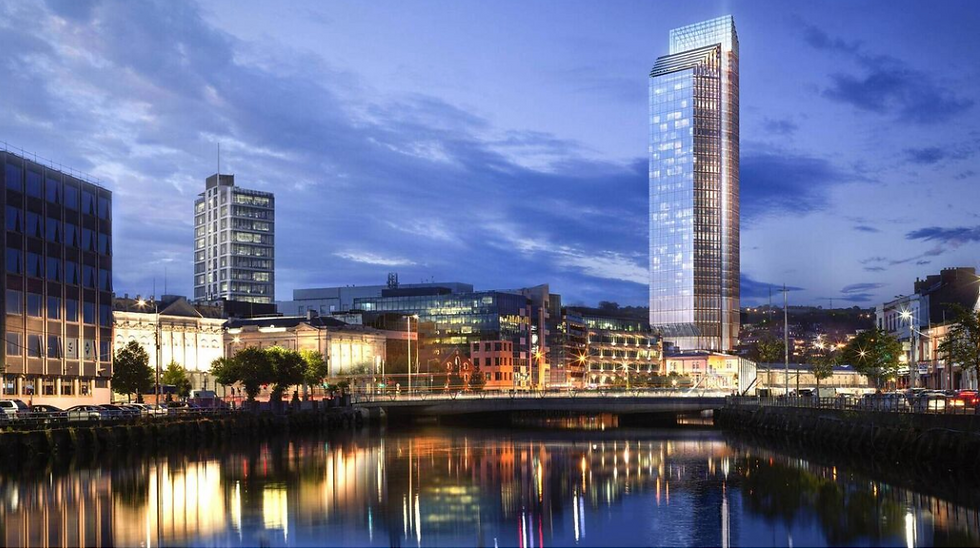
Why Institutional Capital is Moving to Cork
As the Dublin real estate market continues to navigate a landscape of tightening yields and high entry costs, sophisticated investors are increasingly turning their attention toward Ireland’s second city. Cork is no longer just a regional alternative; it has become a primary destination for capital seeking superior risk-adjusted returns and long-term structural growth.
The current data suggests a unique window of opportunity for those who recognize the city’s transformation from a merchant hub into a global tech and life-sciences powerhouse.
The Yield Spread: A Compelling Narrative
The most immediate draw for Dublin-based investors is the significant yield advantage. While prime residential assets in the capital often struggle to break the 4% barrier, Cork’s city centre is consistently delivering gross yields between 6.5% and 7.2%.
In the office sector, the story is equally robust. Prime city-centre locations in Cork offer a 7.25% yield, compared to approximately 5% in Dublin. This 225-basis-point spread represents a substantial margin for investors who value stability backed by high-tier multinational tenants.
Infrastructure: The €10 Billion Catalyst
Investment is rarely about the present; it is about the trajectory of the location. Cork is currently the beneficiary of a state-backed development pipeline exceeding €10 billion.
The Docklands Transformation: This 146-hectare project is the largest urban regeneration initiative in the history of the state. It is effectively creating a new city quarter, poised to house thousands of professionals and high-density commercial spaces.
Connectivity Upgrades: The Cork Area Commuter Rail and the BusConnects program are fundamentally altering the city’s topography, making suburban hubs more accessible and increasing the value of land along these high-frequency corridors.
Demand and Scarcity
The fundamental drivers of real estate value—supply and demand—are at an extreme imbalance in Cork. The residential occupancy rate remains at a staggering 97%, with properties often reaching "let" status within ten days of hitting the market.
This scarcity is matched by a corporate appetite for high-quality space. With Apple’s continued expansion and a growing cluster of cybersecurity and biotech firms, the requirement for sophisticated, sustainable commercial and residential stock has never been higher.
Cork offers a rare combination: the security of a major European tech hub with the growth potential of an emerging district. For the investor who prioritises data-backed decisions and long-term appreciation, the move south is the most logical step in a diversified Irish portfolio.
